RIDE THE EDGE
What coastal cycling feels like
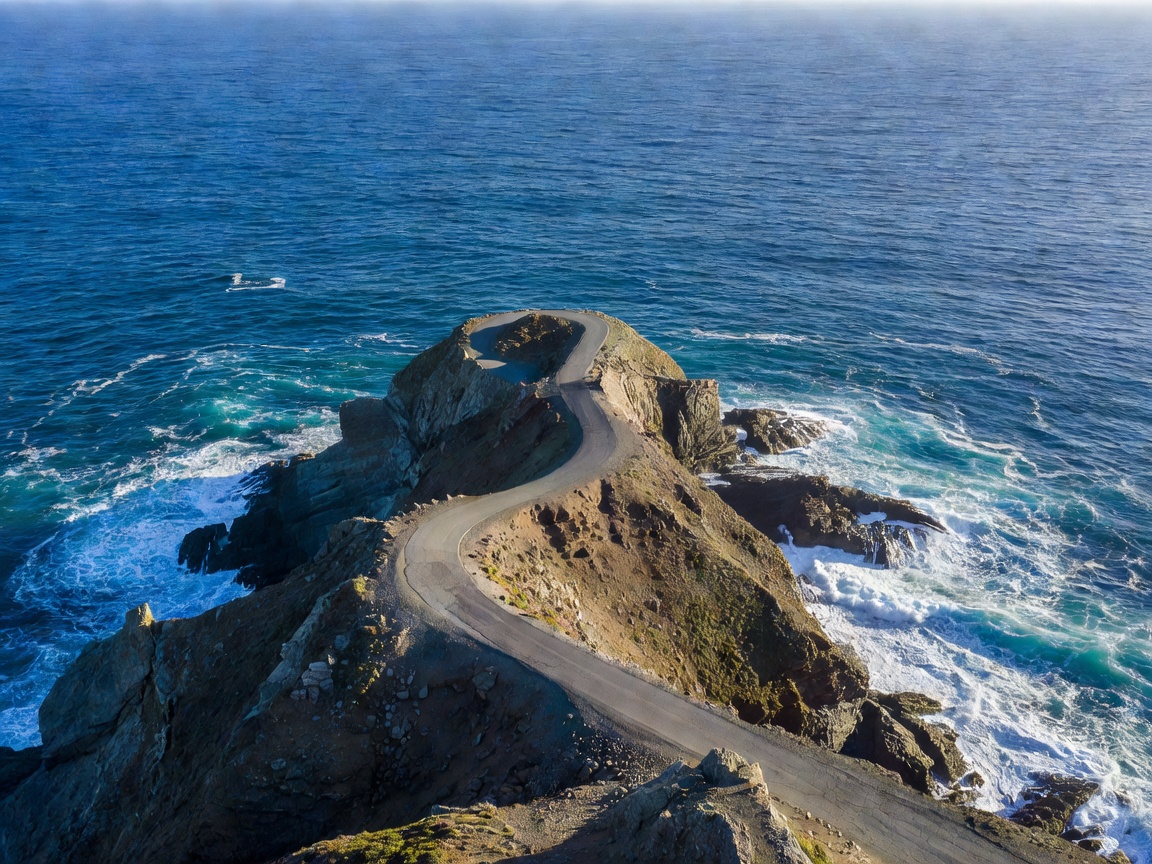
Coastal riding is not always flat or easy. A shoreline may be broken by headlands, short climbs, exposed plateaus and descents toward harbours. Some routes follow the sea for long stretches; others turn inland, where villages and hills provide a different rhythm. The landscape is part of the attraction, but the road remains a real transport space shared with local traffic.
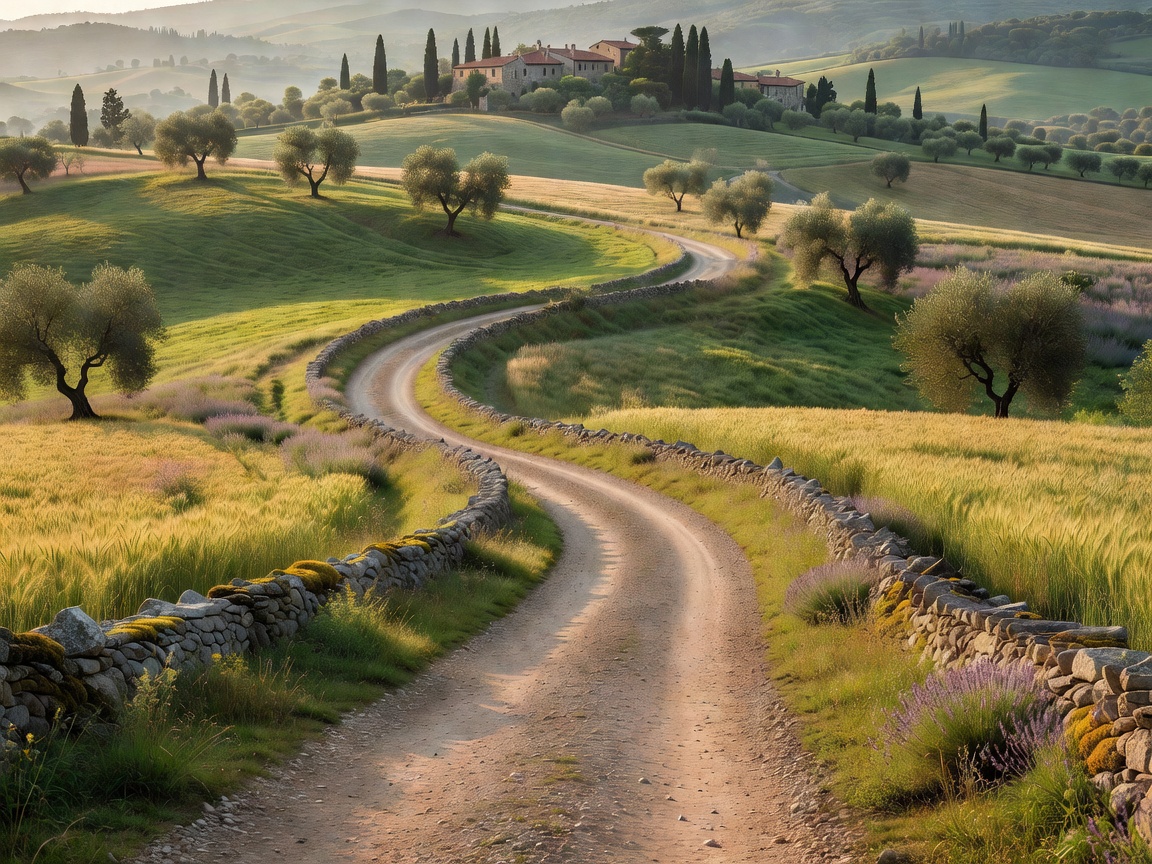
The Mediterranean coast offers a broad mix of landscapes, from busy resort areas to quieter rural stretches. The Algarve in Portugal is a useful regional reference for Atlantic-facing southern coast scenery, while Mallorca combines island roads, interior countryside and mountain terrain. These descriptions refer to regions, not specific route recommendations. Do not assume a road is quiet, continuous or appropriate for cycling without checking current maps and local information.
Wind, exposure and changing weather
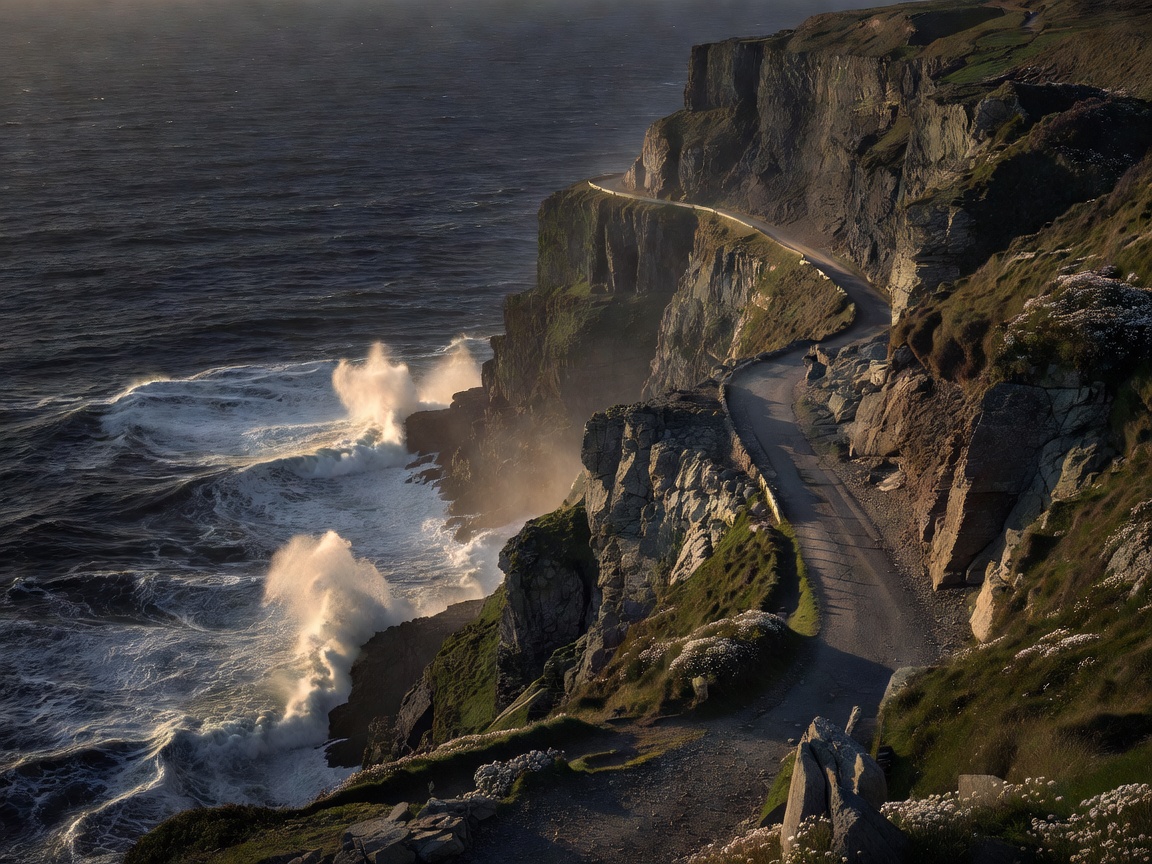
Wind can make a coastal ride feel very different in either direction. An exposed stretch may have little shelter, while a headland can change the way wind reaches the road. Forecasts are useful but not a guarantee at every point along the shore. Consider the route’s orientation, the availability of alternatives and the possibility of shortening the day if conditions are uncomfortable.
Sun, rain, temperature and visibility also matter. Conditions can change during a ride and may differ between an inland start and an exposed coast. Consult current forecasts close to departure and use your own judgement about whether to proceed. This guide does not provide safety guarantees; choose a route and equipment suited to the conditions and your experience.
Plan for the wind in both directions
A loop can feel very different from an out-and-back. Keep alternatives available rather than relying on a single ideal forecast.
Road surfaces, traffic and seasonal rhythm
Coastal roads vary from broad regional routes to narrow lanes serving local settlements. Surface quality, shoulders, junctions and traffic change from one place to another. Busy holiday periods can bring more road activity in some destinations, while quieter periods may mean fewer services. Neither assumption is universal. Research the roads you intend to use and check locally for access information.
Seasonal planning should include more than temperature. Consider daylight, traffic patterns, accommodation availability, local events and whether services operate on the dates you have in mind. We do not publish current opening times or traffic claims. Confirm details with current local sources and relevant businesses before relying on them.
Island cycling and coastal villages
Islands offer a clear sense of geographical scale, but riding there requires attention to logistics. Arrival transport, bicycle rules, route access and accommodation location all shape a cycling trip. Mallorca is a real example of an island destination with varied terrain, but it should not be treated as one uniform coastal ride. Routes can lead inland, toward mountainous areas or through settlements, each with a different feel.
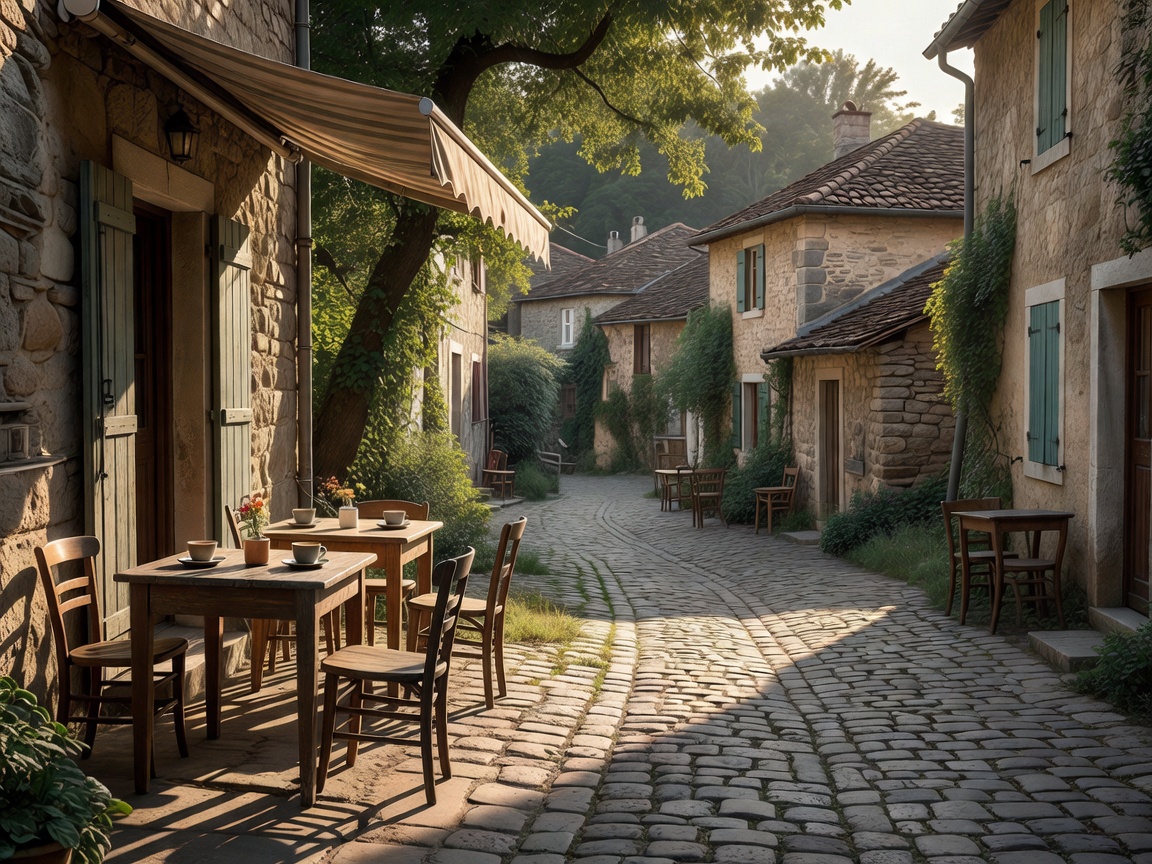
Coastal villages can make an itinerary feel richer than a sequence of viewpoints. A harbour, market street or local café offers context and a reason to stop. Leave time for those pauses, and be considerate when passing through residential areas. Do not assume a café or public facility will be open; verify hours directly where needed.
Coastal and mountain riding compared
Open and exposed
Wind, traffic and sea-facing terrain can influence the day as much as climbing.
Elevated and sustained
Long ascents, high-altitude weather and descent planning become central considerations.
Variety in one base
Some places combine shore, hills and countryside, but routes still need separate research.
Choosing a coastal route
Start with a landscape preference: dramatic cliffs, small harbours, broad beaches or a blend of shore and inland roads. Then consider how much exposure and traffic you are comfortable with. A route that stays close to the water on a map may use busy roads or change direction frequently. Review junctions and return options rather than choosing solely from a photograph.
For leisure cyclists, a flexible day with a clear stopping point may feel more rewarding than trying to cover an entire coastline. Road-trip travelers can base themselves in one place and explore different sections, while photographers may prefer a plan with time for light and pauses. Keep any itinerary adaptable and check current local conditions.
Good for
- Scenic riders drawn to sea views and open horizons
- Photographers and landscape enthusiasts
- Leisure cyclists who prefer a flexible pace
- Road-trip travelers combining cycling with coastal exploration
- Warm-weather cycling plans, subject to local conditions
What to know
Coastal conditions can change with wind, traffic, weather and season. Check current access and road information before riding. This editorial guide is not live navigation; road access, services and conditions are not guaranteed.