CLIMB WITH CONTEXT
What makes a mountain route different?
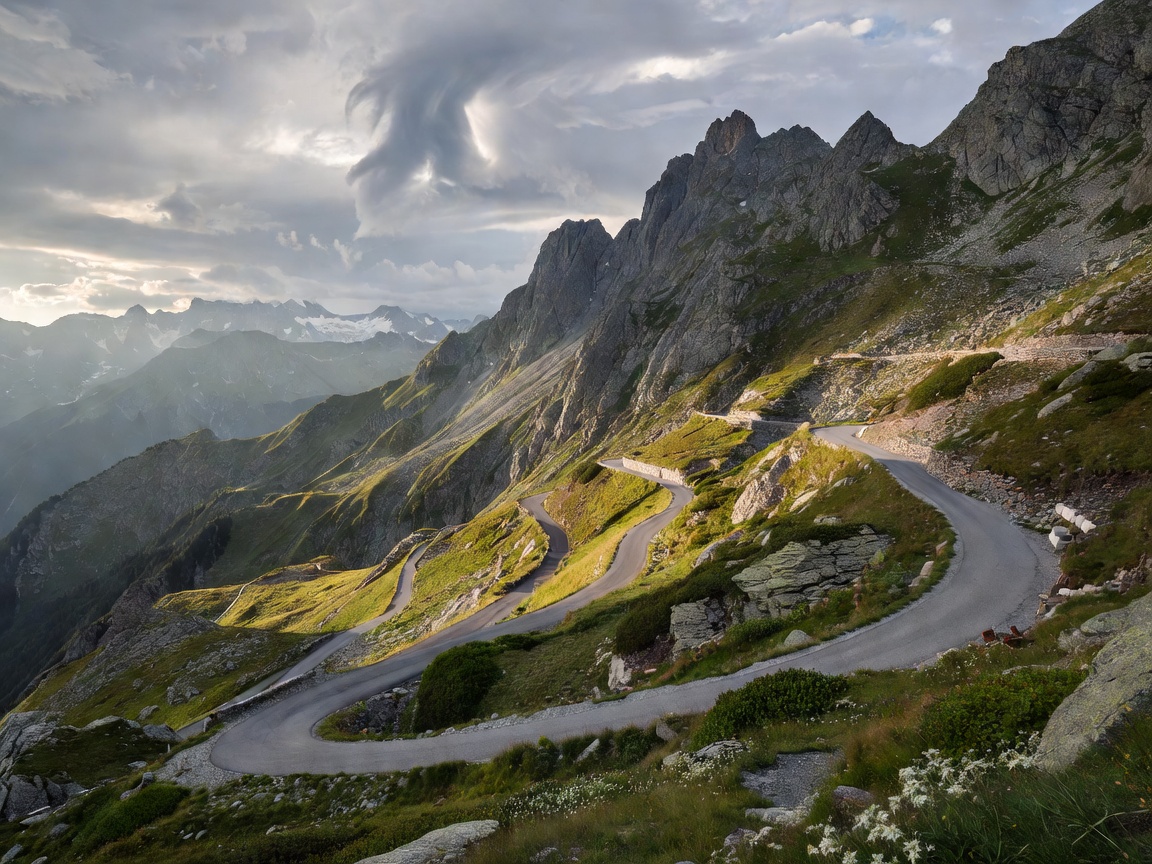
Mountain cycling brings sustained changes in elevation, thinner air at higher altitudes and a close relationship between road, weather and terrain. Even a familiar-looking route can feel different depending on temperature, wind, traffic, surface and how much climbing it includes. Mountain roads are not interchangeable: some rise through forest, some cross open slopes, and some connect valleys with high passes.
The French Alps and Pyrenees are established mountain-cycling regions, while the Italian Dolomites are known for steep-sided peaks and a network of celebrated passes. Mallorca also offers a well-known mix of coastal and mountainous riding. These regional references are context, not a claim about current road access or conditions. Always verify the proposed route and local information before travelling.
Gradients, passes and useful terminology
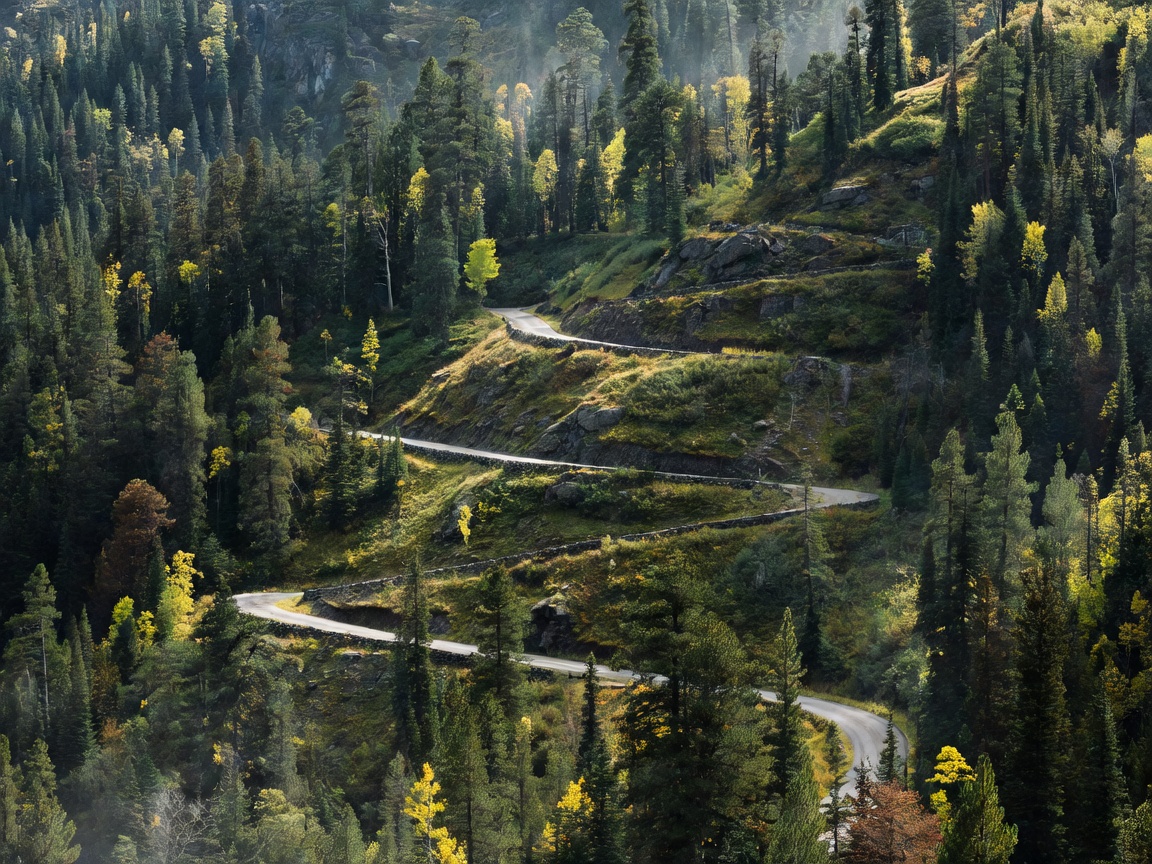
A gradient describes how steep a road rises or falls over a section. A sustained climb is an uphill effort that continues for a notable part of the route, while a pass is a high crossing through a mountain range or ridge. Neither term tells the whole story: a climb with a steady gradient can feel different from one that repeatedly steepens, and a pass may involve a long descent on the other side.
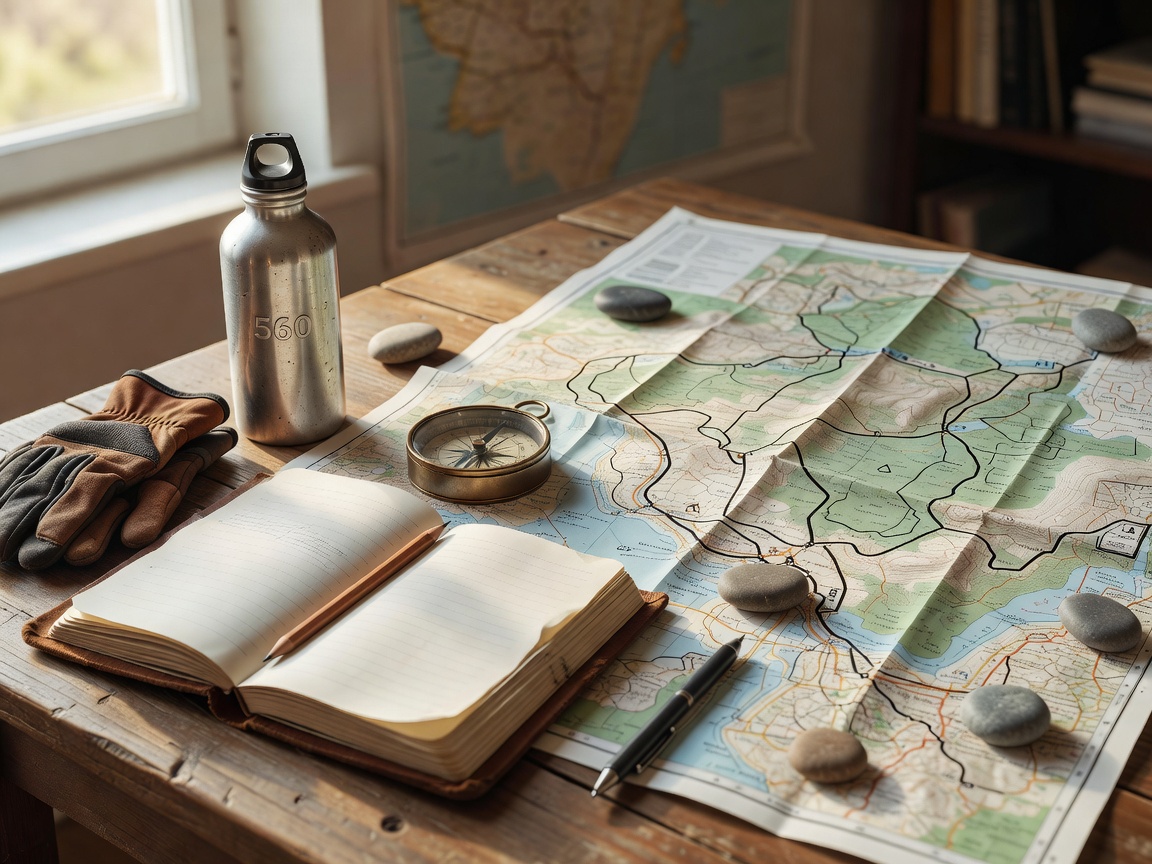
Look at a route profile as a broad planning aid, not a precise prediction of effort. Profiles can smooth over changes and mapping sources may differ. Pair the profile with a map, the route surface information available to you, and a realistic understanding of your own experience. If you are unfamiliar with mountain riding, a shorter or lower route can be a more comfortable way to learn how the terrain feels.
Plan the descent as part of the route
The ride continues after the summit. Leave room in the day for a measured descent, changing conditions and stops along the way.
Altitude, weather and season
Mountain weather can change quickly, and conditions near a summit may differ from those in a valley. Temperature, cloud, wind, rain and visibility all affect comfort and the character of a ride. A route that appears suitable on a regional map may be inaccessible or unpleasant on a particular day. Check current forecasts and official local road or access notices close to your ride, then be prepared to change your plan.
Seasonal access also varies. Higher roads may have a shorter usable season than lower routes, and winter conditions can affect pass access. Do not rely on a past report or a generic seasonal assumption as evidence of present conditions. Verify with current local sources. Choose clothing and equipment appropriate to the expected conditions and the full ascent-and-descent journey.
Choosing a route that fits
Start with the experience you want: a single climb, a valley-to-pass journey, or a base that allows several different rides. Consider the starting point, the way back, the available alternatives and the demands of the descent. A route can be challenging because it is long, steep, remote, exposed or difficult to navigate—not simply because of its elevation profile.
For a multi-day trip, plan recovery time in the itinerary without treating it as a performance requirement. Build flexibility around weather and access, and avoid overloading each day with ambitious targets. Where a group is riding together, agree on a meeting plan and a way to adjust the route if riders have different preferences. This is general travel planning, not medical or training advice.
Different mountain regions, different feel
The French Alps offer a broad range of high-mountain settings and valley approaches. The Pyrenees create another long mountain corridor, with landscapes and route options that vary between valleys. In the Dolomites, dramatic limestone scenery gives many rides a distinctive visual character. Each region contains many roads, and none should be reduced to one famous climb. Research local options and select a route for its full context.
Mallorca provides a Mediterranean alternative where mountain riding can sit alongside coastal and inland routes. It can suit a trip that combines several landscape types, but road conditions, access and seasonal traffic still need to be checked. Across all these places, respectful riding matters: follow signs, keep speeds appropriate and share narrow roads considerately.
Comparing a mountain day
Connected and varied
May link settlements and offer options to shorten or redirect a route.
Steady effort
Focus on the complete ascent, changing terrain and a considered descent plan.
Exposed and elevated
Check access and forecasts carefully; conditions may differ from the valley.
Good for
- Experienced cyclists who enjoy sustained climbing
- Climbing-focused riders planning a mountain trip
- Mountain travelers interested in landscape and local culture
- Photography enthusiasts drawn to changing altitude and light
What to know
Mountain weather and road access can change quickly. Exact conditions should be checked before riding with current local sources. This guide is not live route, safety or medical advice; select a route appropriate to your experience and consult official information.