A TRIP WITH ROOM TO MOVE
Choose a city for more than its starting point
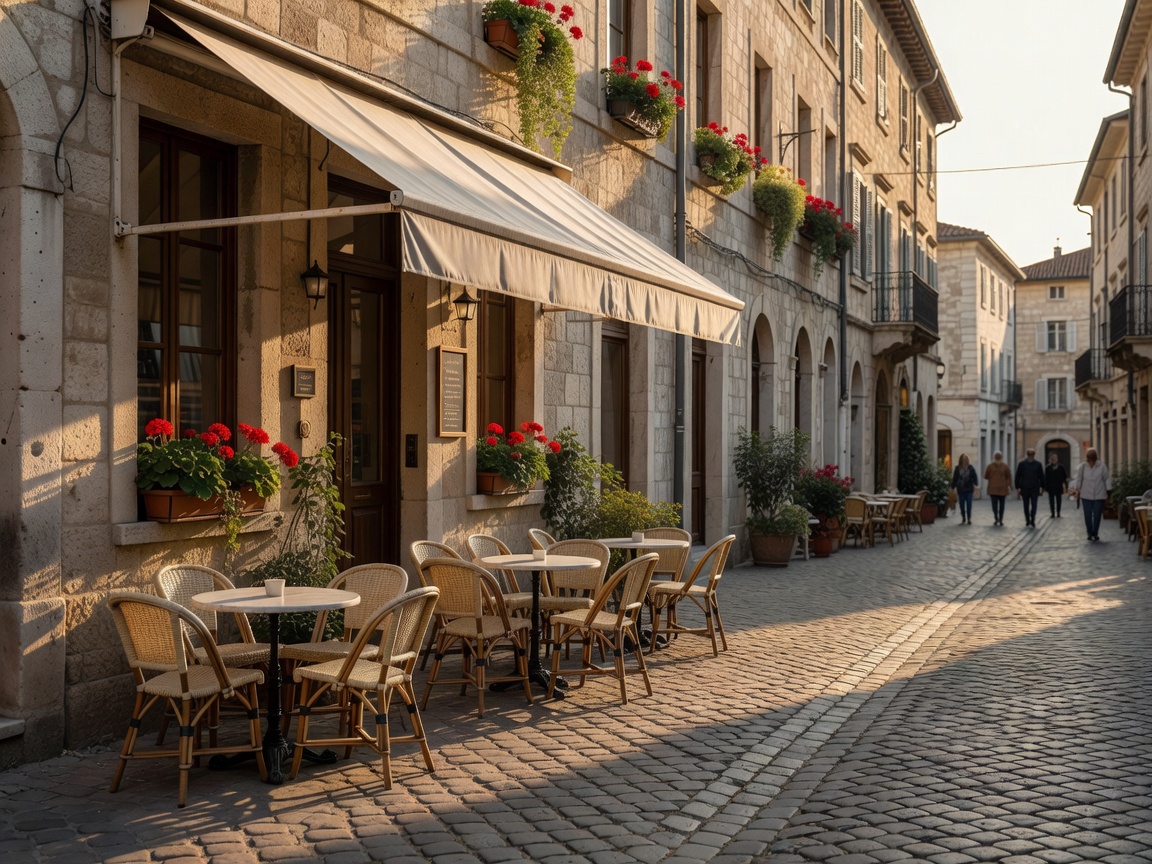
A cycling-friendly city trip does not need to mean riding through every street. Consider the city as a base: somewhere to arrive, settle in, explore on foot and choose a suitable ride beyond the centre. Girona in Catalonia is an identifiable example of a city often associated with road cycling and access to varied surrounding landscapes. That does not guarantee any particular route, facility or road condition. Research the local context and current options for your dates.
Think about the balance you want. Some travelers prefer a compact urban stay with one or two rides, while others use a city as a gateway to a longer touring itinerary. Museums, architecture, food markets and neighbourhood walks can give a trip character even when weather or access changes the riding plan.
Arrival by rail, air or road
Arrival planning can influence the whole trip. If travelling by rail, check the current bicycle rules, reservation requirements, station access and transfer arrangements directly with the relevant operator. Policies can vary by service and change over time. Do not assume a bicycle can be carried simply because a route is available to passengers without bikes.
For air travel, review the airline’s current bicycle and baggage requirements before booking and allow time to understand packing, handling and onward transport. If combining multiple transport modes, check each part independently. Airport transfers, station facilities and local rules are not universal, and this guide does not publish current schedules or operator policies.
Verify every link in the journey
Check bicycle policies with the transport provider and confirm onward connections close to departure.
Make route planning practical
Begin with the kind of ride you want and the time available. Use current mapping to inspect roads, junctions, surfaces and return options. Consider how the route leaves the city and whether the first section is appropriate for your experience. A map line may not tell you everything about traffic, road access or local restrictions; seek up-to-date local guidance and obey signs.
For a multi-day journey, think about where each ride begins and ends, how luggage is handled and what happens if you need to change plans. A point-to-point trip can be rewarding but creates additional logistics. A base-and-loop format may offer more flexibility. Neither approach is right for everyone; choose the structure that fits your time, comfort and interests.
Accommodation, luggage and city life
Choose accommodation with the whole itinerary in mind. Consider transport access, places to eat, walkability and how you will reach the routes you have shortlisted. Ask the accommodation provider directly about bicycle storage, luggage arrangements and any specific services you need. Do not rely on unverified claims in listings or assume a property has cycling facilities.
For a city stay, luggage can be more than a packing question. Check whether your transport provider and accommodation can accommodate the arrangements you need, and confirm storage details directly. Keep essential items and travel information organised so you can move between ride days and city days without unnecessary complications.
Weather, flexibility and cultural stops
Weather influences comfort, clothing choices and route selection, but conditions can vary within one region and shift during a trip. Check forecasts close to each ride and build an alternative plan. A museum visit, an architectural walk or a relaxed café stop can be a worthwhile change of pace if conditions are unsuitable for the planned route.
Local culture is not an add-on. Markets, public spaces, galleries, historic streets and regional food can make a cycling journey feel connected to the place. Allow time to explore at a human pace, and be considerate of residents when riding through busy streets or residential areas. Follow local signs and rules; do not assume that every pedestrian area permits cycling.
A flexible outline for a short trip
Settle and check
Confirm bike logistics, local information and the next day’s conditions.
Choose one clear plan
Keep the route manageable and identify a practical alternative.
Leave space for the city
Mix cycling with food, architecture, museums or an unplanned wander.
Good for
- First-time cycling travelers organising a European trip
- City-and-bike breaks with a mix of riding and culture
- Weekend travelers planning a flexible itinerary
- Touring cyclists arranging arrivals, luggage and onward routes
- European travel planners comparing possible bases
What to know
Transport rules and bicycle policies vary by operator and destination. Schedules, access, local restrictions and services can change. Confirm current details with the relevant provider and local sources before relying on them.