A FIELD GUIDE TO THE ROAD
Read the landscape before you choose the line
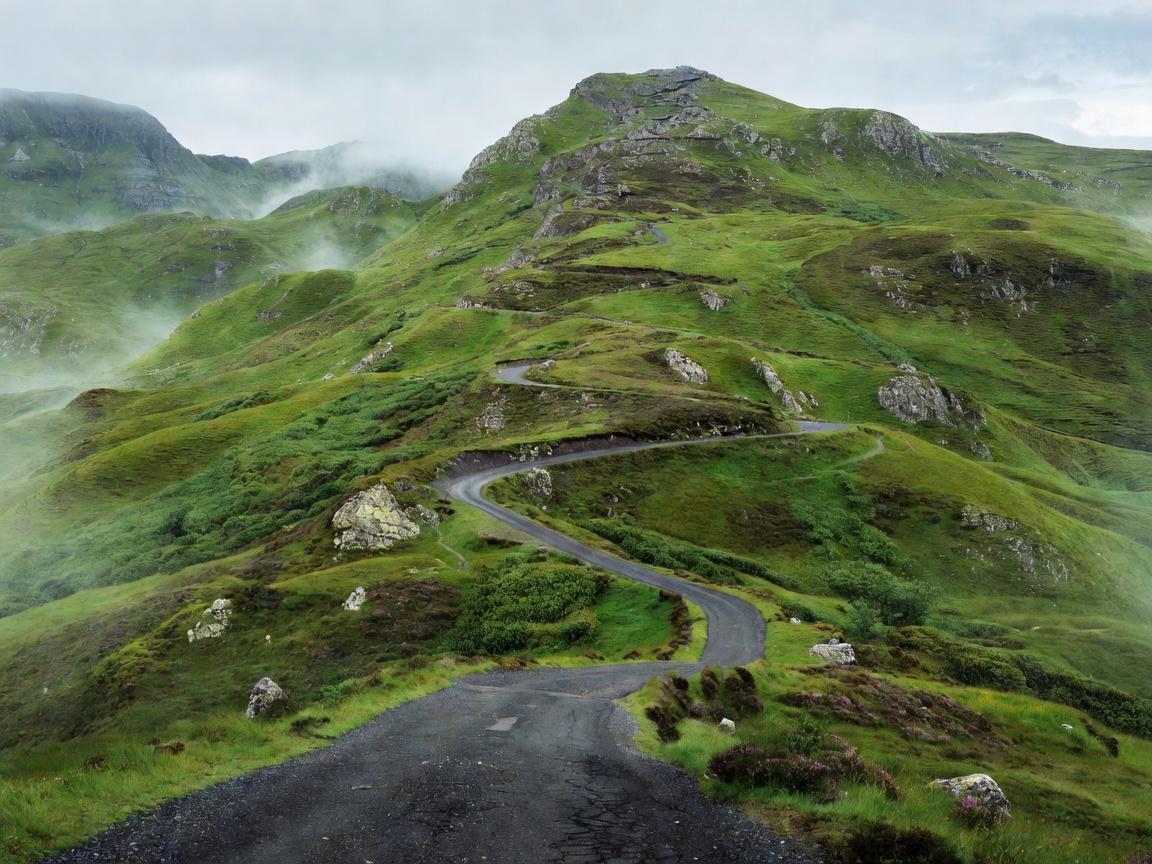
European cycling offers a remarkable range of settings, but there is no single definition of a scenic route. A road might feel memorable because it follows a river, links hilltop villages, traces the edge of a lake or opens onto a long view of farmland. The best choice depends on what you want the day to feel like, not simply how far you hope to travel.
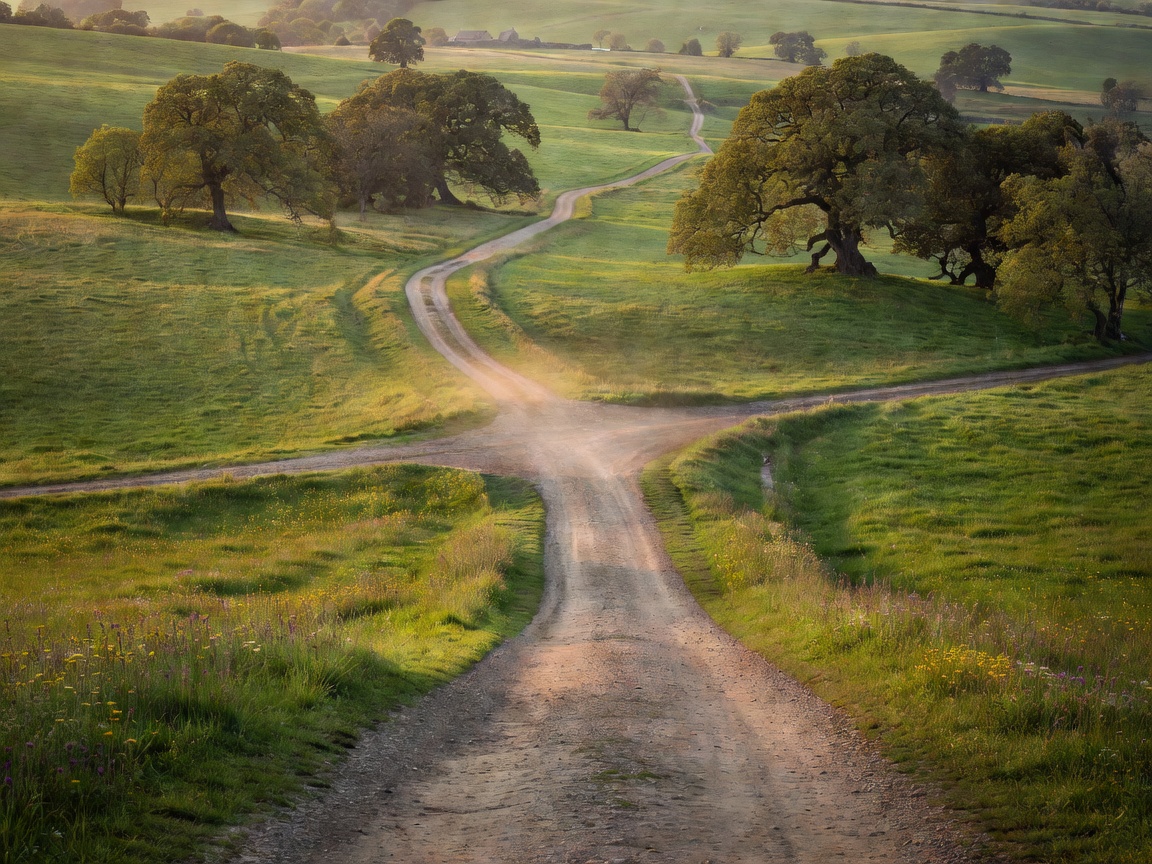
Rolling countryside suits riders who enjoy a changing rhythm: a rise, a descent, a level stretch and another view. Tuscany is widely known for its rolling rural landscapes and historic settlements, while Catalonia offers varied terrain around places such as Girona. These are broad regional impressions rather than promises about a particular road. Local route details and surface conditions vary, so consult current maps and reliable local information before setting out.
Lakes, valleys and the changing scale of a ride
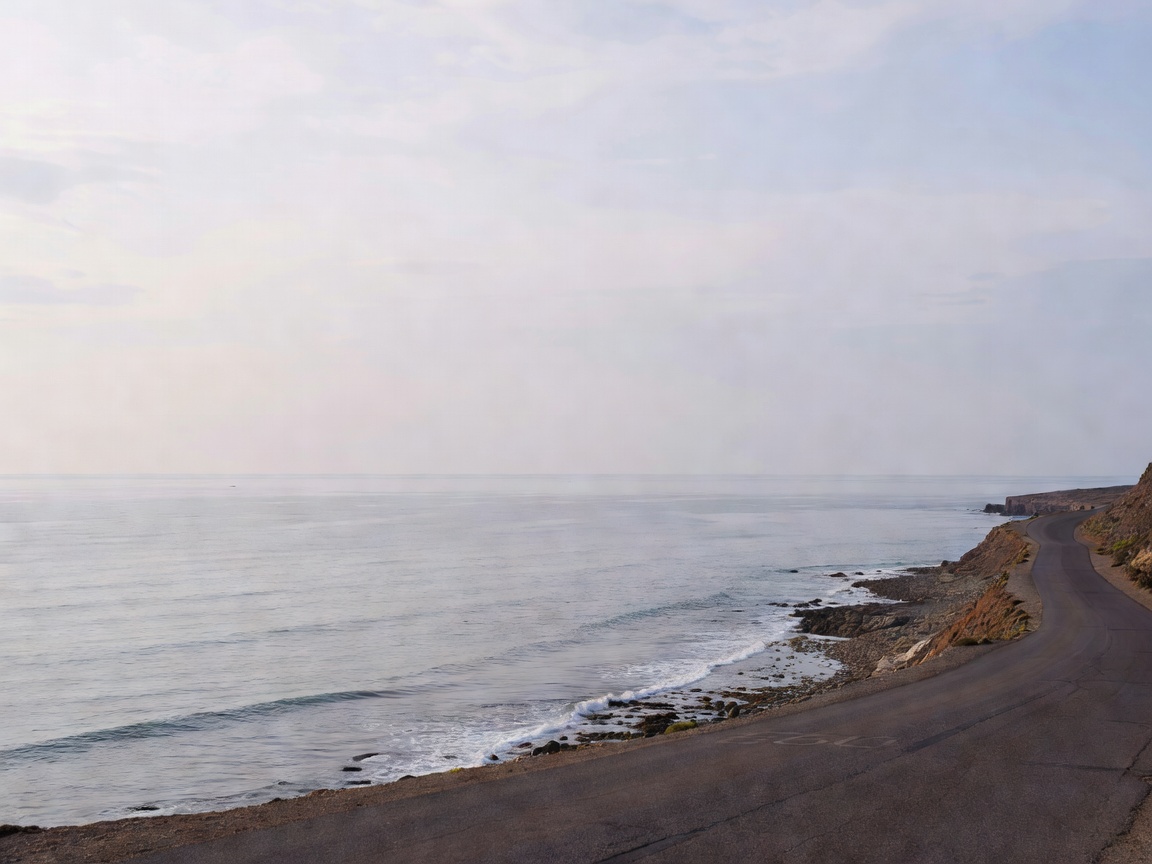
Lakeside routes offer a strong visual anchor: water, shore settlements and nearby hills create a sense of place that changes with each bend. Lake Garda in northern Italy is a well-known destination where water and mountain scenery meet. Do not assume every shoreline road is quiet or continuous; traffic, access and route options differ. Use current mapping to understand where a proposed ride goes and whether it suits your experience.
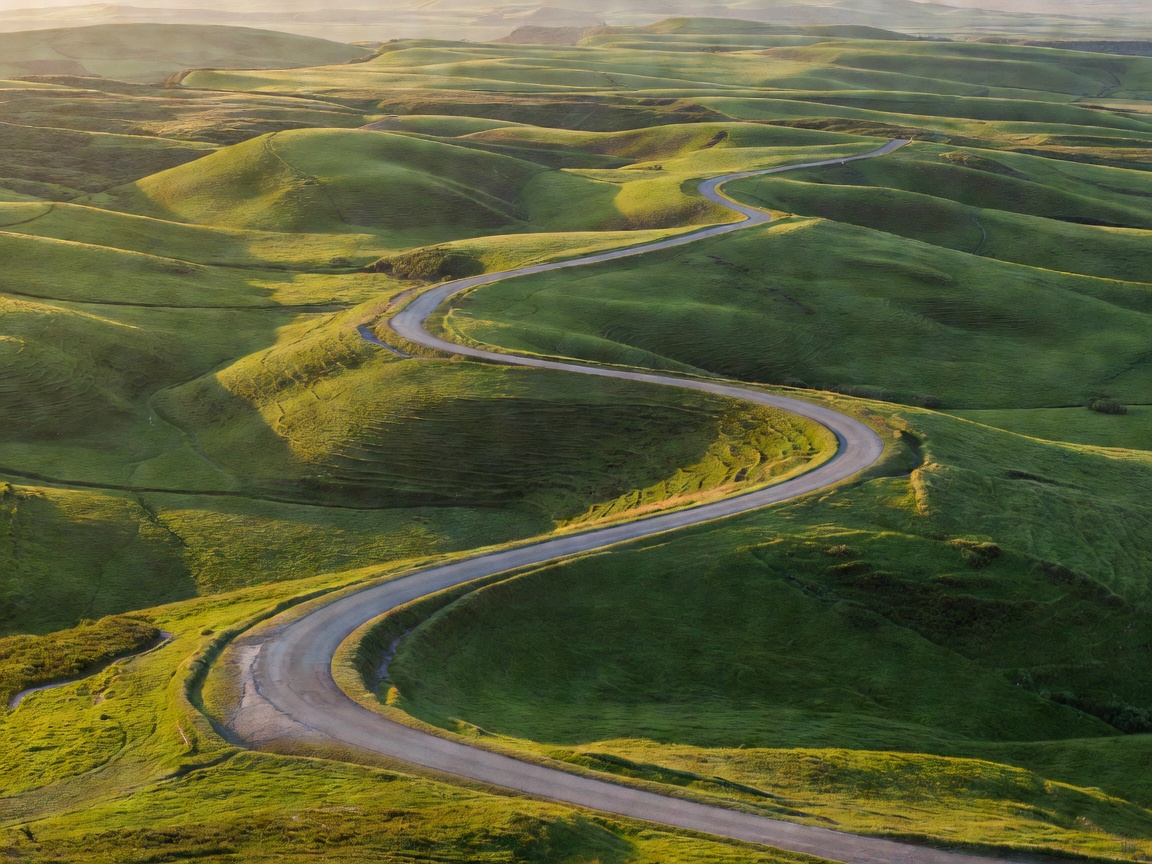
Valley riding has a different quality. The terrain may feel sheltered in places, with a river or settlement pattern guiding the journey, while nearby slopes make the scale of the landscape clear. A valley route can also connect to more demanding roads, so look beyond the first section when building an itinerary. Consider where a ride starts and ends, what alternatives exist and how you will return if plans change.
Choose by character, not by label
“Scenic” can mean open views, shaded lanes, cultural stops or a satisfying sequence of terrain. Decide which matters most to you.
Match route difficulty to the day you want
Difficulty is not only about climbing. Road surface, traffic exposure, junctions, navigation complexity, weather and access to services all influence how a route feels. A recreational rider might prefer a shorter loop with room for lunch and a village visit. A confident road cyclist may enjoy linking varied terrain into a longer day. Photographers and slow travelers may value a route with several places worth leaving the saddle for.
Use a current route-planning tool to inspect the whole journey, not just its headline description. Check the road types and junctions, look for sensible places to pause and identify a way to shorten or adjust the day. Avoid treating route profiles or third-party summaries as guarantees: mapping data can be incomplete, and local arrangements can change.
Seasonal considerations and practical planning
Season affects light, temperature, traffic patterns and the availability of services, but conditions differ between regions and years. Shoulder seasons can bring their own appeal and uncertainty; higher terrain may experience conditions unlike nearby lowlands. Check relevant forecasts and local access information close to departure. Carry the essentials appropriate to your ride and make a plan that allows you to turn back or choose an alternative.
Respect local residents and other road users. Follow signs, obey access restrictions and avoid assuming that a minor-looking road is open to bicycles. Where a route passes through settlements, ride considerately and leave space for daily life. Plan breaks around the places you hope to experience rather than relying on an unverified opening time or service.
Real regional starting points
Girona and the wider Catalan landscape can be a useful base for combining a city stay with rides into varied countryside. Rural Tuscany appeals to riders drawn to rolling terrain, villages and a slower travel rhythm. Lake Garda offers a distinct waterside setting, while the Dutch cycling landscape is often associated with accessible everyday cycling and low-relief routes. These examples describe destination character, not an endorsement or a guaranteed route condition.
Whichever region you choose, allow landscape and logistics to work together. A route that finishes near your accommodation, a rail connection or a town with food options may make the day more manageable. Verify transport rules, bicycle access and current route information directly with relevant providers and local sources.
Compare the feel of a ride
Rolling and varied
Good for riders who enjoy a changing rhythm, village pauses and broad views.
Water and foothills
A strong sense of place, with route choice shaped by shoreline and surrounding terrain.
Connected landscapes
Useful for linking settlements and scenery, with options that may lead toward higher ground.
Good for
- Road cyclists looking for varied scenery
- Recreational riders who prefer flexible days
- Photographers and landscape enthusiasts
- Slow travelers interested in villages and local culture
What to know
Road conditions, closures, weather and access can change. Route descriptions are editorial context, not live navigation or a guarantee of suitability. Check current local information, plan alternatives and choose roads appropriate to your experience and equipment.